Why “Scrappy” Marketing Is Winning In The Performance Era

Why "Scrappy" Marketing Is Winning in the Performance Era
For years, the most expensive marketing was assumed to be the most effective. Meticulously crafted campaigns, tightly controlled messaging, high-production creative built to present brands at their most aspirational.
For younger audiences, that assumption no longer holds. Increasingly, the least polished marketing is the stuff that performs.
It isn't that polish has stopped working. It's that polish now creates distance. Audiences - Gen Z especially - don't want to be marketed to. They want to feel connected to something real, immediate and human. And that connection rarely comes from the perfectly produced campaign.
That's where "scrappy" marketing comes in.
The word itself often creates resistance inside businesses. To some brand teams, scrappy can sound messy, unrefined or off-brand. But scrappy does not mean low quality. It means adaptive. Responsive. Culturally aware.
For C-suite leaders, “scrappy” is rarely about aesthetics. It’s about speed, efficiency, and relevance in a market where attention shifts faster than traditional planning cycles can keep up. It reflects pressure to do more with less, to test and learn in public, and to stay culturally present without waiting for perfect conditions or polished output. In that context, scrappy becomes a strategic operating model rather than a creative choice.
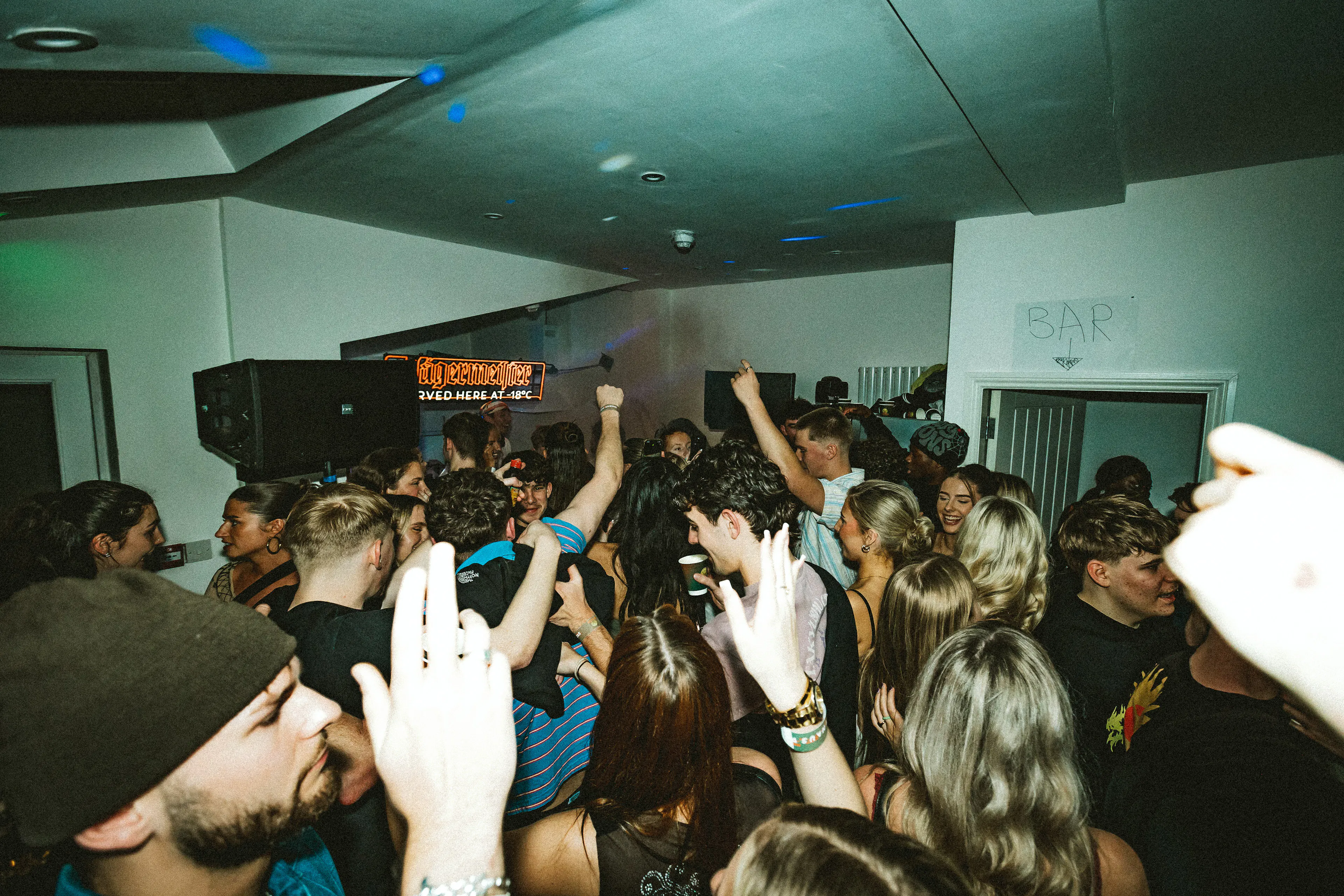
JÄGERMEISTER HOUSE PARTY
JÄGERMEISTER UK FEIERSTARTER CAMPAIGN
The Trust Data Is Unambiguous
This shift is driven by a change in where trust actually lives.
The 2026 Gen Z Brand Credibility Study, conducted by Walr for We Are Talker, surveyed 2,000 consumers on what they trust when deciding whether to engage with a brand. Customer reviews came top, cited by 72% - well ahead of anything brand-controlled. Independent research and expert opinion followed at 68%.
By comparison, brand-owned channels carried less weight: brand advertising and brand social media both sat at 57%, and paid influencer content at 55%. The pattern is clear. The closer a message sits to the brand's own voice, the harder younger audiences are to convince. The further it sits towards real people, the more they believe it.
That isn't an argument against activations or campaigns - it's an argument about how you use them. The most powerful thing a brand experience can do isn't to broadcast a message. It's to put real people in a position to create the content, conversations and word-of-mouth that audiences actually trust. Done well, an activation is the engine of that peer credibility, not a substitute for it.
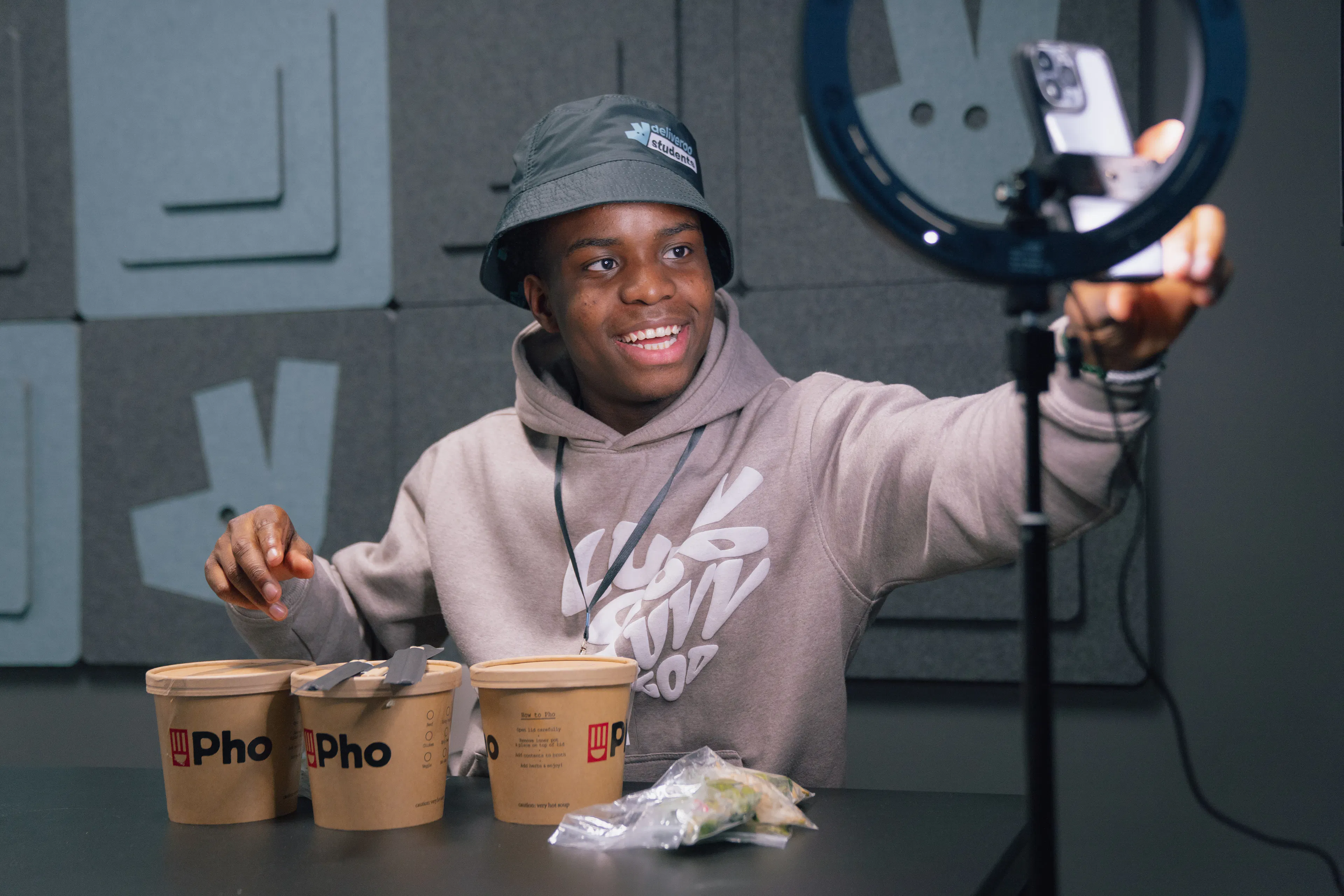
DELIVEROO SBA TRAINING DAY
DELIVEROO STUDENTS CAMPAIGN
Brand vs Performance: Scrappy Is the Bridge
Inside most businesses, this plays out as a standoff.
On one side, brand and creative teams protecting integrity, consistency and long-term equity. On the other, commercial leaders under pressure to deliver acquisition, engagement, conversion and revenue. Historically, these priorities clash.
Scrappy is how the best brands now reconcile them. Rather than forcing consumers into curated brand worlds, they integrate into existing communities, behaviours and conversations. They empower creators, ambassadors and advocates to interpret the brand in ways that feel authentic to their audiences.
It looks less polished. It performs better - because it reflects how people actually engage.

Liquitex Training Day
LIQUITEX NEXT GEN CAMPAIGN
What It Looks Like in Practice
Some of the most effective marketing today is disarmingly simple. A campus ambassador hosting an activation. A creator filming on their phone. A community run club backed by a fitness brand. A local event.
None of it looks like "big campaign." That's exactly why it works.
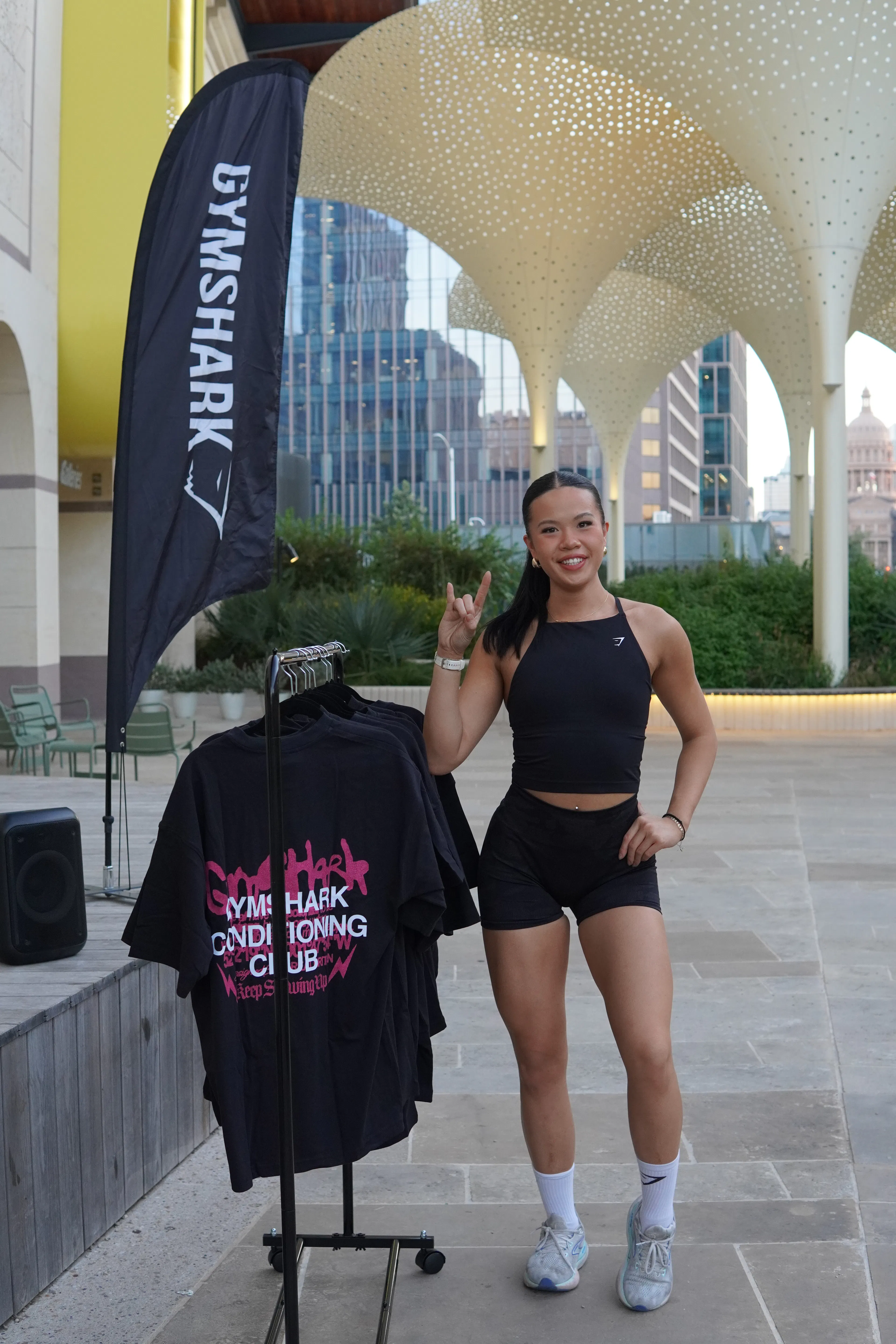
Raptor client Gymshark understands this as well as anyone. Many of its most effective activations are deliberately low-fi - campus ambassadors, community fitness events, run clubs that feel native to the audience rather than imposed on it. No theatre, no excess production, no forced spectacle. Just real people representing the brand inside communities they already belong to.
The same logic is reshaping categories you'd least expect. In alcohol, responsible-drinking messaging is increasingly handed to creators and ambassadors to interpret organically within their own content and social environments. The message stays controlled. The delivery becomes human.

ASU Sunset Run Club
GYMSHARK U CAMPAIGN
From Campaign to Communities
The deeper shift is from broadcasting to participation. Brands that win with younger audiences aren't pushing messages out - they're building environments people want to step into.
Raptor client Airbnb's community-led experiences are a good example: rather than purely transactional travel marketing, experiences built around local connection and shared activity create emotional relevance around the brand itself.
What matters isn't how polished the execution looks. It's whether people genuinely want to take part. That's the essence of scrappy. Not cheap. Not lazy. Smart marketing that understands modern behaviour.
What matters isn't how polished the execution looks. It's whether people genuinely want to take part. That's the essence of scrappy. Not cheap. Not lazy. Smart marketing that understands modern behaviour.
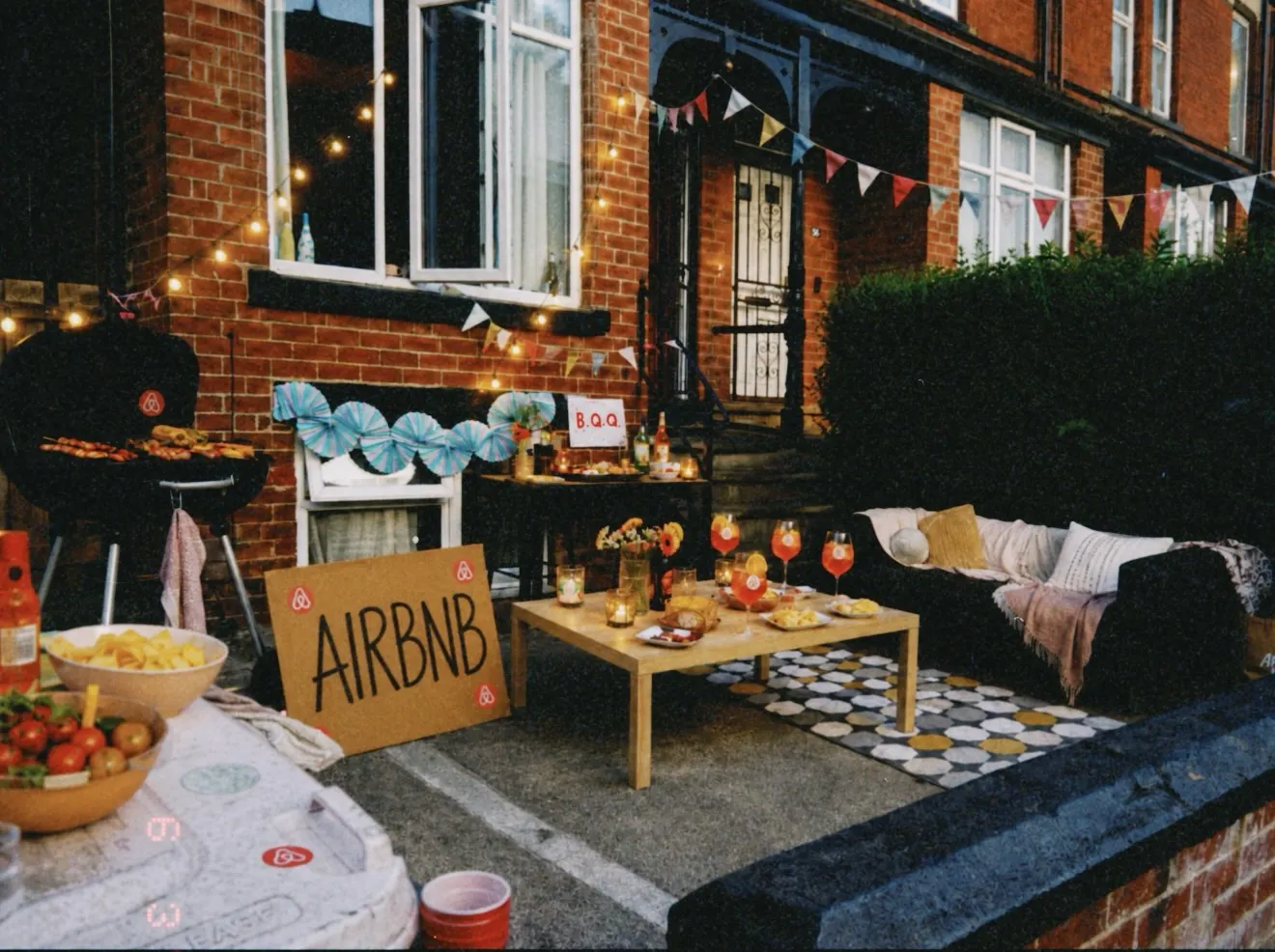
Airbnb Student-Led Pop Up Event
Airbnb Student Campaign
But Can You Measure It?
This is where most agencies go quiet - and where the "performance era" claim usually falls apart. If scrappy is so effective, prove it.
We can. We do it through RAMP, our Raptor Ambassador Management Platform.
Scrappy looks unmeasurable to anyone still counting impressions. In reality it's more measurable, because participation is a far harder signal than a passive view. RAMP houses every data point from an activation centrally - social performance, event engagements, sentiment, samples distributed - in clear dashboards that let us see what's working in real time and dial activity up or down for maximum impact.
That changes the conversation entirely. Brand teams get the authenticity and cultural fluency they need to protect equity. Commercial teams get the data, the trends and the optimisation they need to prove growth. Scrappy stops being a leap of faith and becomes a measurable, repeatable performance channel.
Nobody else can measure community the way we can. That's the difference between believing peer-led marketing works and being able to show it.

Samsung Galaxy Series Shoot
Samsung Galaxy Series Students Campaign
Scrappy Is Not the Opposite of Brand
There will always be a place for highly produced brand experiences. Luxury launches, flagship activations and premium moments still build aspiration and long-term equity - Pinterest and Spotify, among others, do this exceptionally well.
But brands targeting younger audiences can't rely on polished, top-down marketing alone anymore. They have to show up in ways that are culturally fluent, socially native and genuinely participatory. That often means giving up a degree of control - which is uncomfortable for a lot of brands.
The ones willing to make that trade are building deeper trust, stronger engagement and more commercially effective marketing as a result.
Scrappy was never about abandoning craft. It's about applying it differently - prioritising speed, relevance and human connection over perfection, and meeting audiences where attention actually lives. As trust keeps shifting towards real, peer-driven content, and culture keeps moving faster than campaigns can keep up, scrappy will keep outperforming.
Not because it's less considered. Because it's more in tune with how people actually engage - and now, finally, because we can prove it.