The Momentum Challenge

The Momentum Challenge - Beyond Hype with Gen Z
In this thought piece, we explore why hype fades fast, what actually gives it staying power, and what brands need to build if they want relevance that lasts.
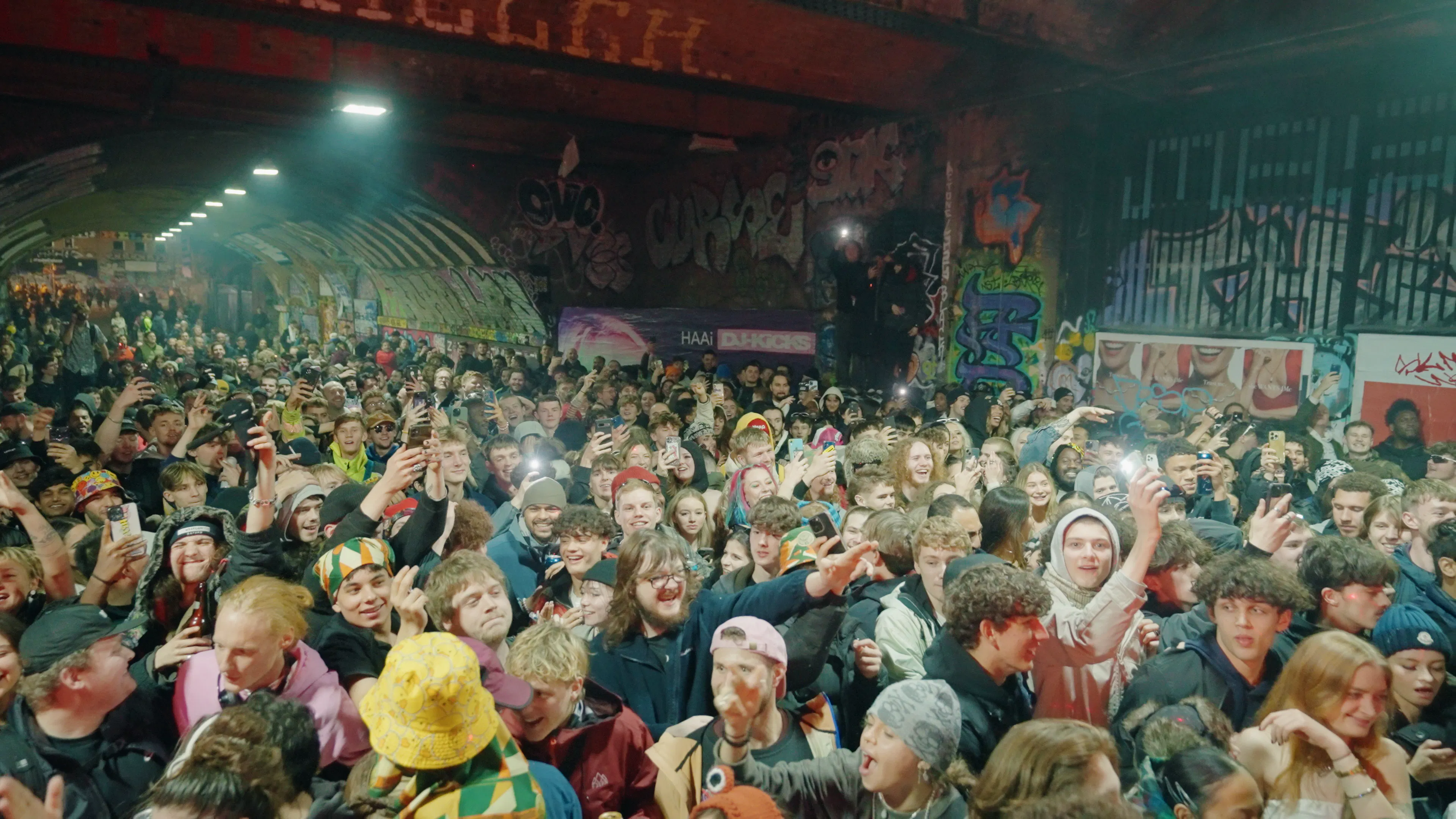
Homebass Event
Jägermeister DJ Akademie: 2023
The Hype Economy
In a marketing world that values virality as a key sign of relevance, brands have a sharp focus on Gen Z, thanks to their commercial value and strong cultural influence.
By 2030, this generation is expected to account for 40% of the global workforce.The scale of that opportunity has also created a problem. In the rush to connect with the generation, brands often flatten them into a single audience, defined by shared digital behaviours and broad cultural stereotypes.
For brands trying to build relevance with Gen Z, generating hype is no longer the hardest part. Using digital trends, partnering with popular creators, or even getting surprise endorsements, the paths to awareness are clear.
Momentum is the harder part. Plenty of brands can create a spike in attention, but most are not set up to sustain it properly. With Gen Z frequently re-evaluating what feels cool, cringe, relevant or dated, brands have their work cut out for them.
That is what makes hype such a double-edged tool. It can place a brand firmly in the spotlight, but without enough substance, consistency, or cultural credibility, it can just as quickly leave that brand vulnerable.
At Raptor, working at the intersection of youth culture and brand experience, we see this momentum challenge play out all the time.

Rockstar Reading Festival Activation
Rockstar Campaign: 2026
Why hype fades so fast
Hype often collapses under the same conditions that created it.
Too often, marketers build hype for short-term visibility rather than long-term relevance. A brand jumps on a trend, brings in a creator, or borrows a cultural reference, and for a moment, the brand feels part of the conversation.
Part of that comes down to intent. Gen Z can tell when a brand understands the space, and when it is merely seeking to profit. Lean too heavily on trend-chasing, outdated language, or borrowed aesthetics, and you'll quickly feel fatigue.
Sometimes the issue is even simpler. The hype lands before the brand has given people any real reason to stay engaged. Products and brands can blow up overnight, often in unpredictable ways. But if there is nothing deeper behind that attention, novelty can only do the heavy lifting for so long.
Brands built only around reaction will always struggle to keep pace. Those who balance reactive moments with evergreen formats, and who invest in consistency, community, and cultural understanding, have a much better chance of staying relevant during spikes.

Tinder Double Date Island
Tinder Double Date Island: 2026
So, what makes hype stick?
What makes hype last is rarely the moment itself, but what surrounds it.
For brands wanting to connect with Gen Z, success often relies on three key factors: a moment that grabs attention, a system that maintains it, and a clear brand identity that stays credible.
None of that works without truly understanding the communities, subcultures, and shared spaces that shape how Gen Z forms its identity and influence.
Miss one of those, and the whole thing becomes harder to hold onto. A moment without a system creates noise but no continuity. A system without a compelling moment struggles to stand out. Both the system and the brand fall flat if the brand lacks enough clarity. This lack of clarity makes it hard to remain credible once the initial hype passes.
For Gen Z, relevance is rarely built through a single standout interaction. It requires seeing the brand in the right spaces and through the right people. There must be enough consistency to keep it familiar, but enough variation to prevent it from feeling tired.
This is where community becomes critical.
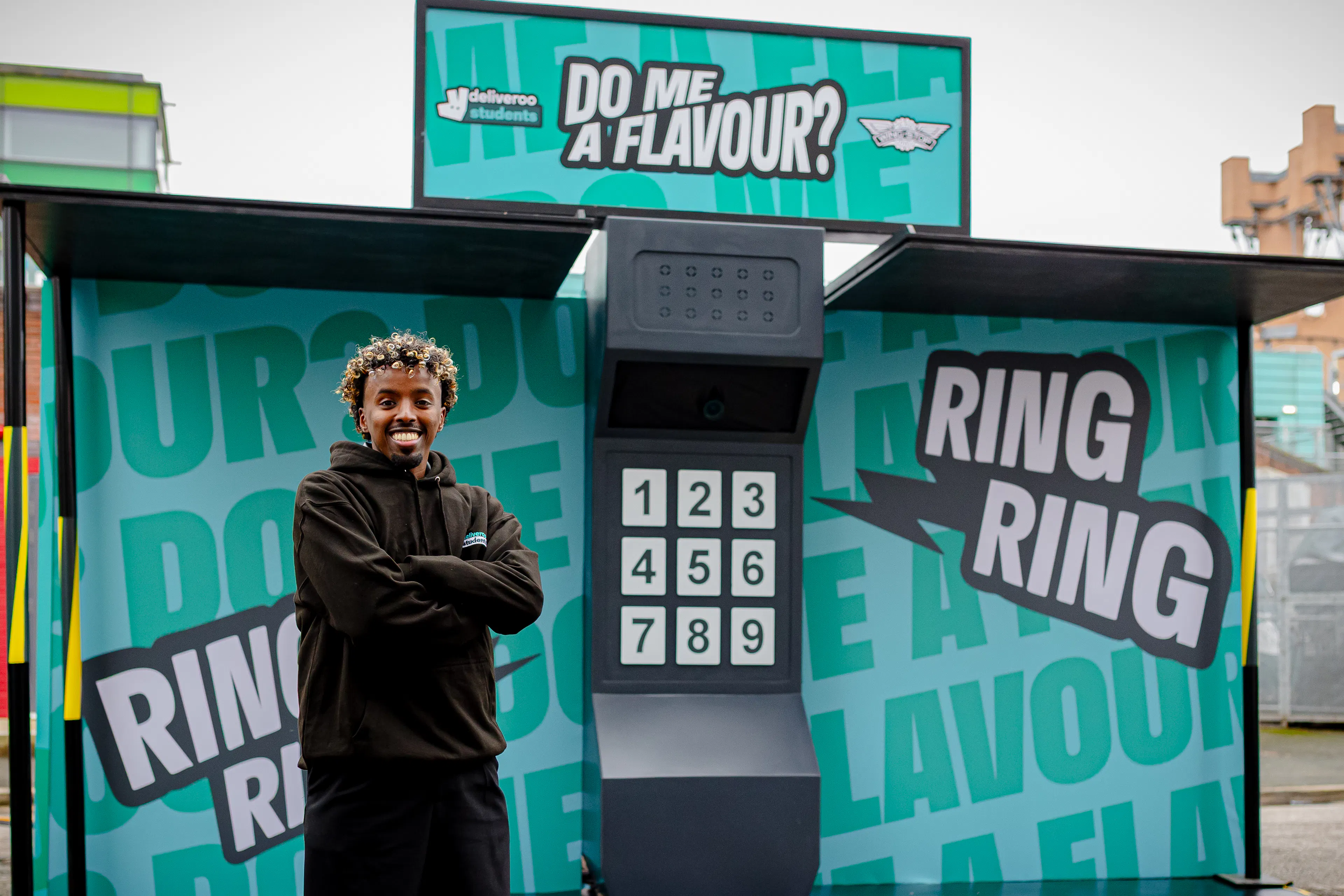
Do Me A Flavour? Activation
Deliveroo Students X Wingstop: 2026
Community in practice
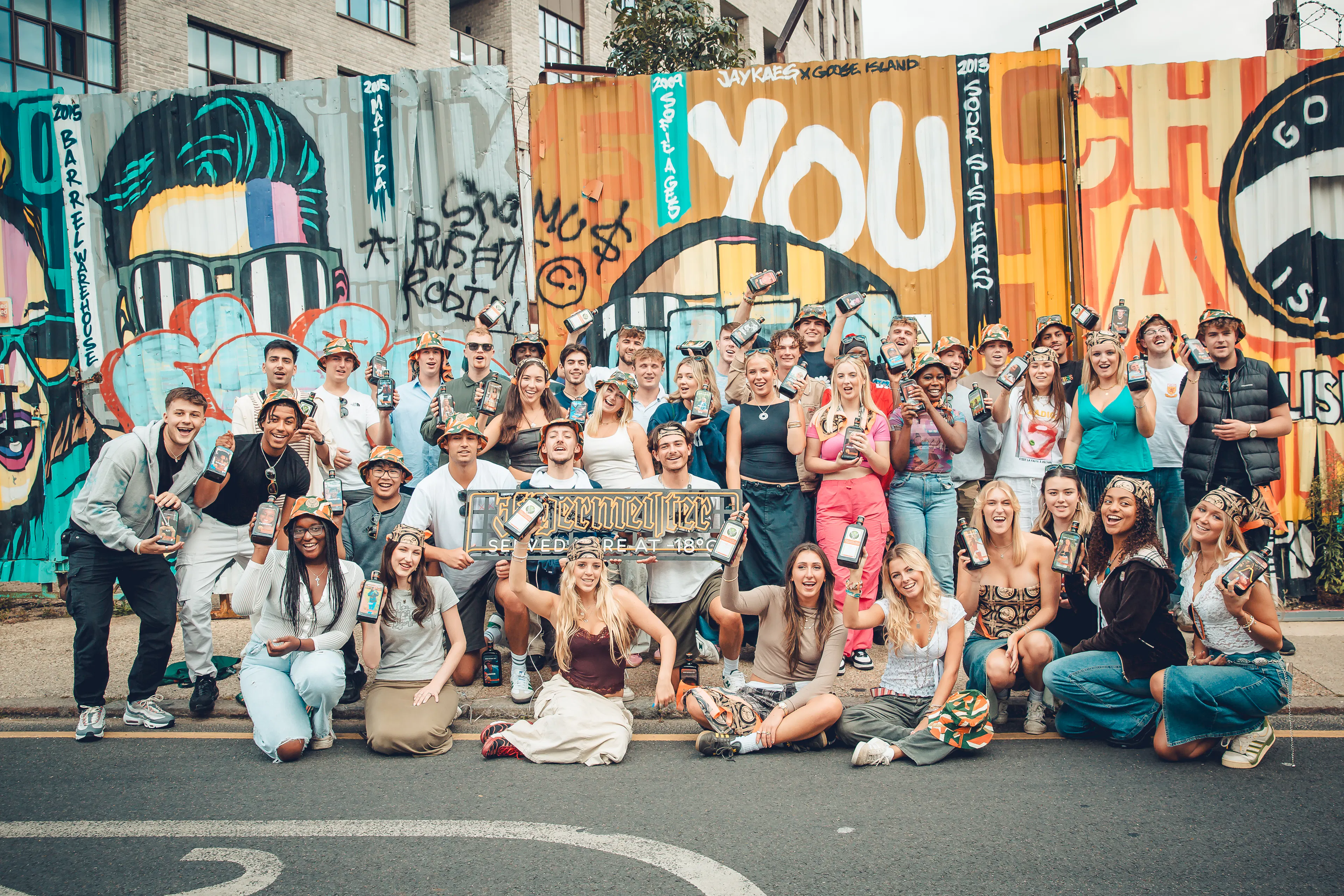
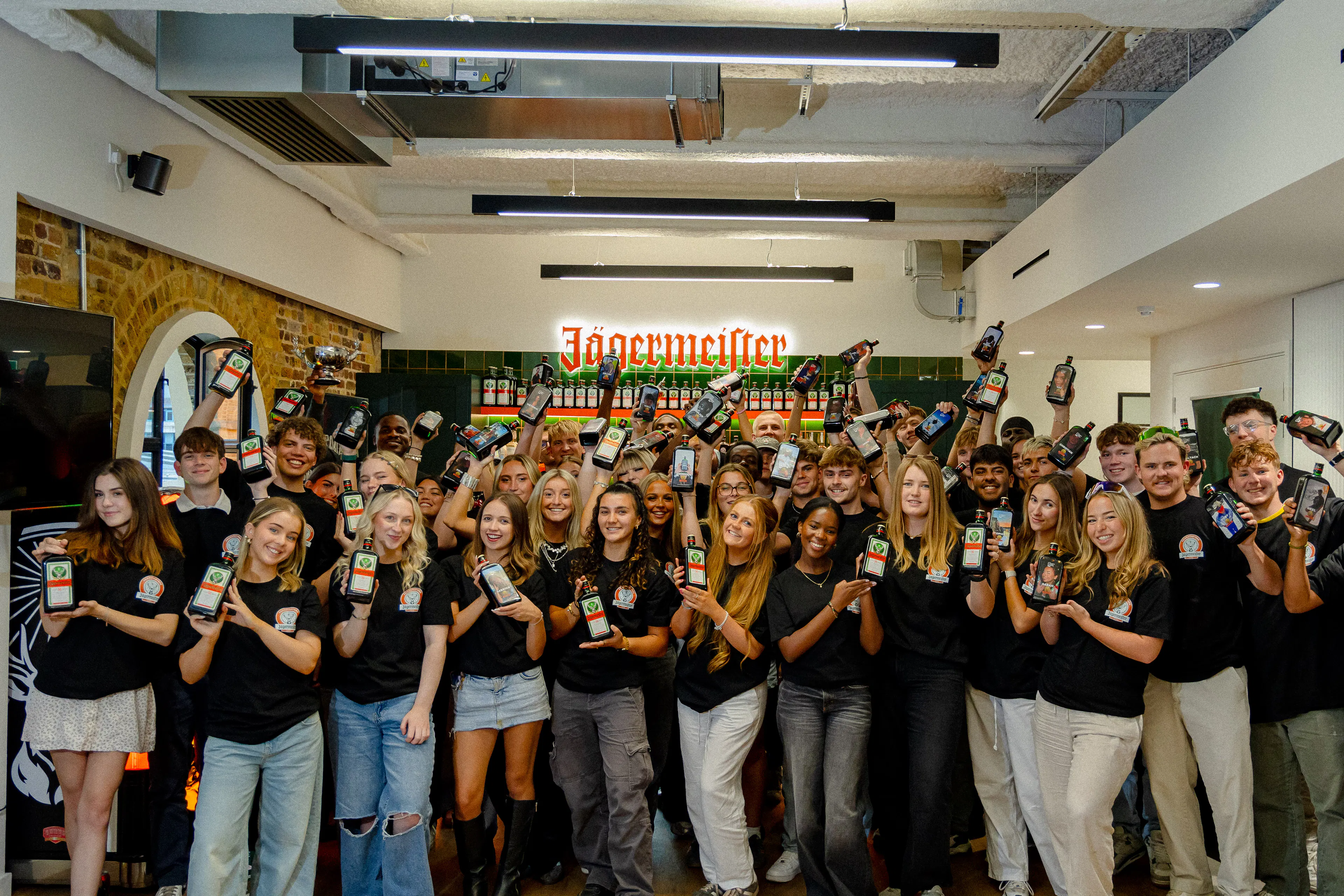
Community plays a key role in our work with Jägermeister and the Feierstarters programme. What started as a UK ambassador model has grown into a global network that spans 26 markets. Now, over 500 ambassadors help keep the brand close to youth culture in ways traditional marketing simply cannot.
The value of the programme lies in how it builds relevance within communities and what it gives the brand between the bigger moments.
Feierstarters provide Jägermeister with an always-on presence in youth culture spaces. This includes Secret Haus Parties, opportunities with university societies and content shared on their favourite digital platforms.
We select our Feierstarters for their close connection to Jäger’s world. They all share the brand’s passion for nightlife, music and culture, which gives the role a natural authenticity.
Sustained relevance relies on more than just frequency; it also needs credibility. So, who represents the brand, where they appear, and how well they fit in all affect whether momentum grows or fades.







What brands should do now
For brands looking to engage Gen Z, hype can serve as a starting point, but it shouldn't be the main focus of the overall strategy.
That means three things:
1. Earn attention with intent.
1. Earn attention with intent.
2. Build for momentum, not just the moment.
3. Show up with credibility.
The brands that win the momentum challenge will be those that build enough presence, equity and connection to stay part of the conversation long after the initial spike has passed.