A Decade of Youth Culture

A Decade of Youth Culture & Gen Z Marketing Strategy
For the past decade, Raptor has sat at the intersection of youth culture and insight, listening to and learning from the Gen Z voices shaping behaviours, habits and interests. It’s this proximity that earns brands’ trust, helping them understand not just what’s changing, but why it matters.
To mark our 10-year anniversary, this article reflects on the shifts that have defined youth culture over the past decade, from the death of the monoculture and the rise of belonging, to the ongoing rebalancing between digital life and real-world connection. It explores how youth culture has evolved, and how our work has moved alongside it.
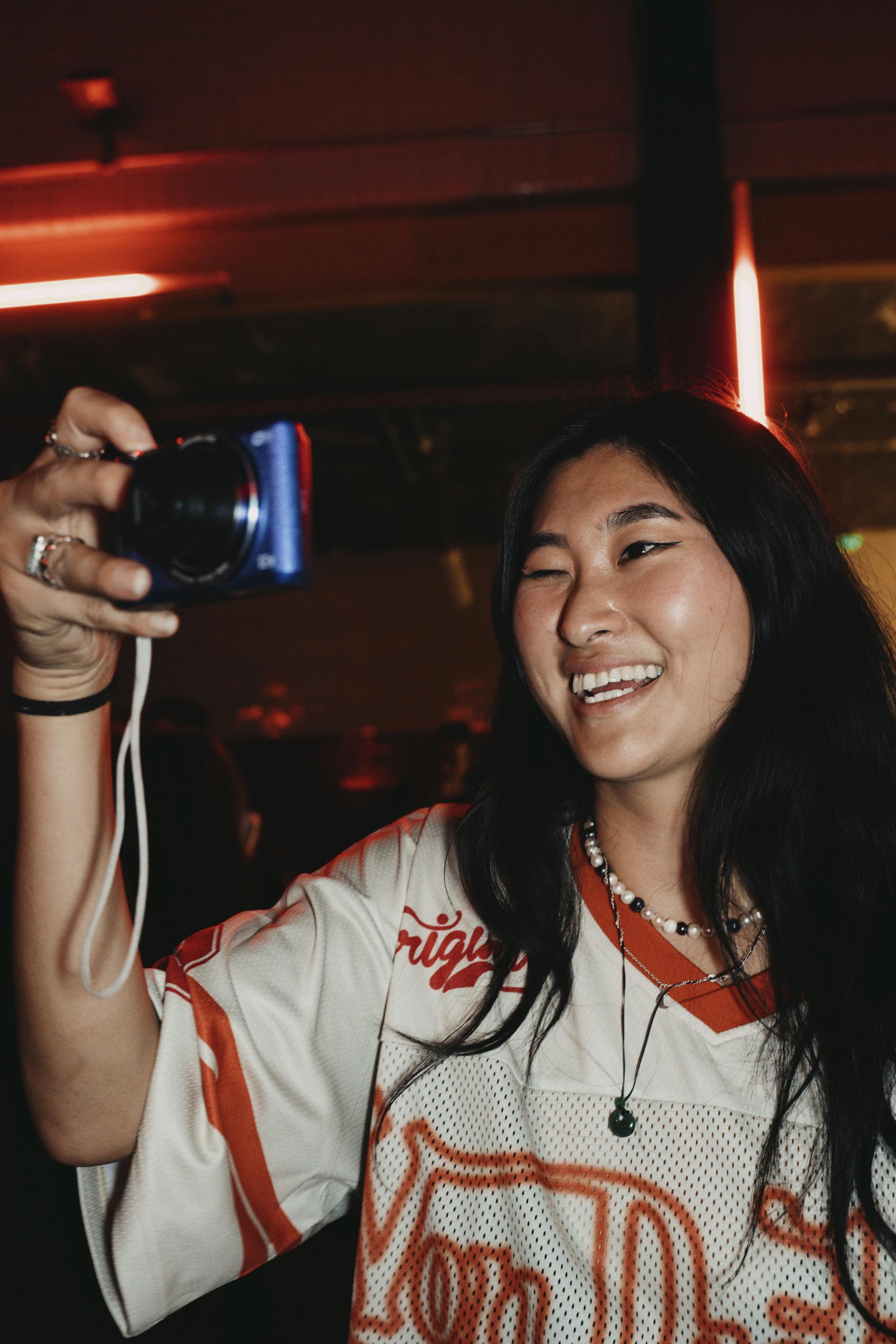
London Muck Pit Event
Captain Morgan: 2025
Background
In 2015 trends lasted months, subcultures were identifiable and you could flick through a magazine to know what was "in". Now we’re in an era where micro-trends cycle in weeks, communities are global and culture fragments before you can name it.
Youth culture has always moved fast, but societal changes and technological advancements, combined with global connectivity, have supercharged how young people express themselves, find community, and engage with the world around them.
Raptor was founded on the idea of combining university club promotion nous with advertising expertise, helping companies crack the youth market. Our first clients, Deliveroo and Uber, needed campaigns that met students where they were, in nightclubs, making decisions about how to get home and what to eat at 2am.
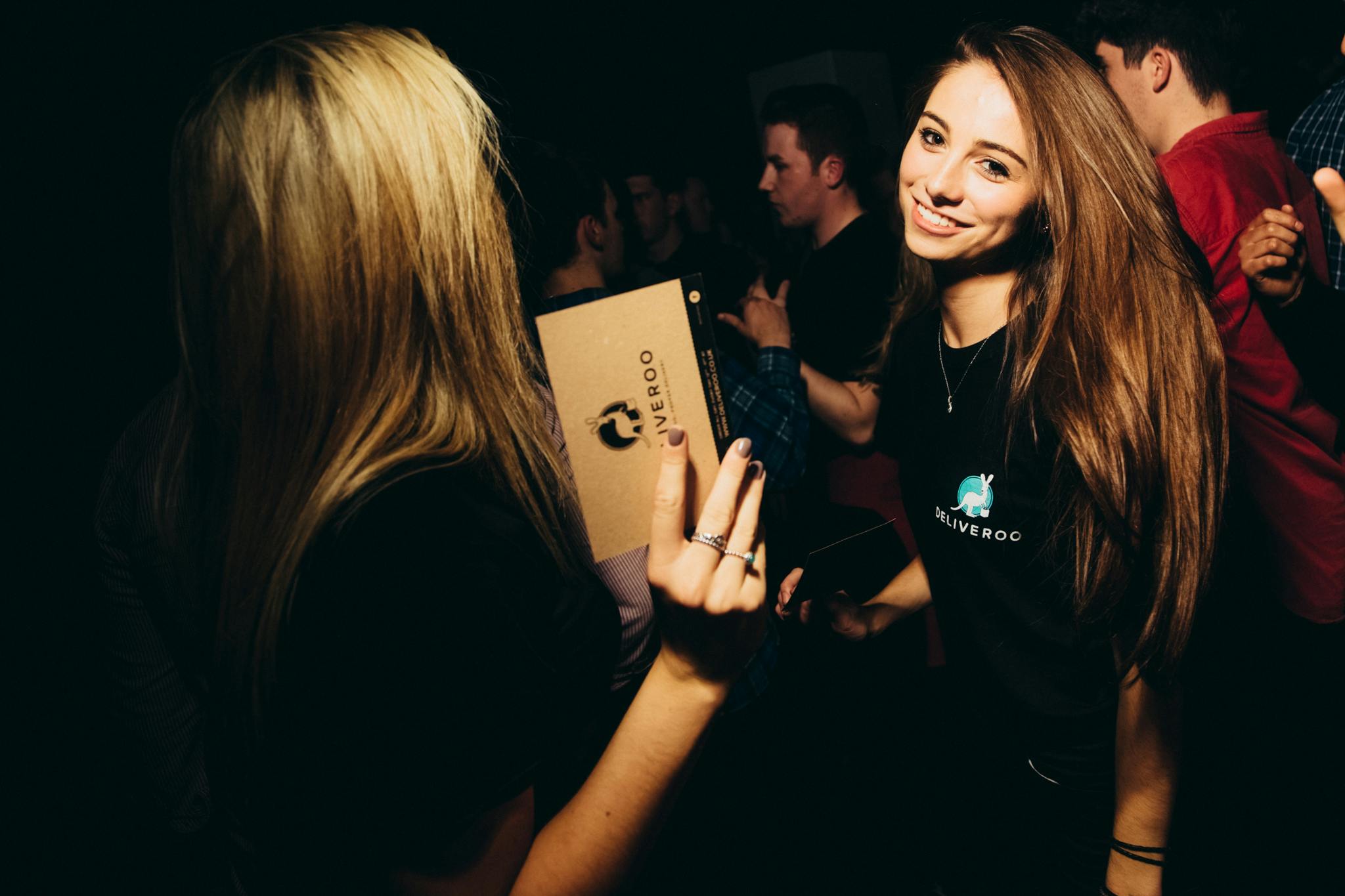
Deliveroo Nightclub Activation
#RooRescue Tour: 2025
The Death of the Monoculture
In 2015, while we were online debating whether the dress was blue and black, or white and gold, young people were obsessing over Tumblr aesthetics and the first edition of Kylie Jenner’s lip kit.
We recognised that subcultures were more contained, less accessible to outsiders. Early on working with Soundcloud, we collaborated with local DJ collectives, including a then-unknown Peggy Gou. We created micro-documentaries and supported specific passion projects as social media began unlocking previously hidden subcultures to anyone with an internet connection.
We recognised that subcultures were more contained, less accessible to outsiders. Early on working with Soundcloud, we collaborated with local DJ collectives, including a then-unknown Peggy Gou. We created micro-documentaries and supported specific passion projects as social media began unlocking previously hidden subcultures to anyone with an internet connection.
Over the decade, young people have started defining themselves through aesthetics, cores, and personal codes. TikTok amplified this exponentially. You could be cottagecore in the morning, dark academia by afternoon, indie sleaze by evening. Identity became performative, experimental, and most importantly non-exclusive.
Today, trying to put this generation into neat boxes is nearly impossible. Gen Z exists across multiple, overlapping identity spheres simultaneously. The death of the monoculture means brands can't rely on reaching "all youth" with a single message. Success requires understanding which communities matter to your purpose and showing up authentically within them, as a genuine contributor.
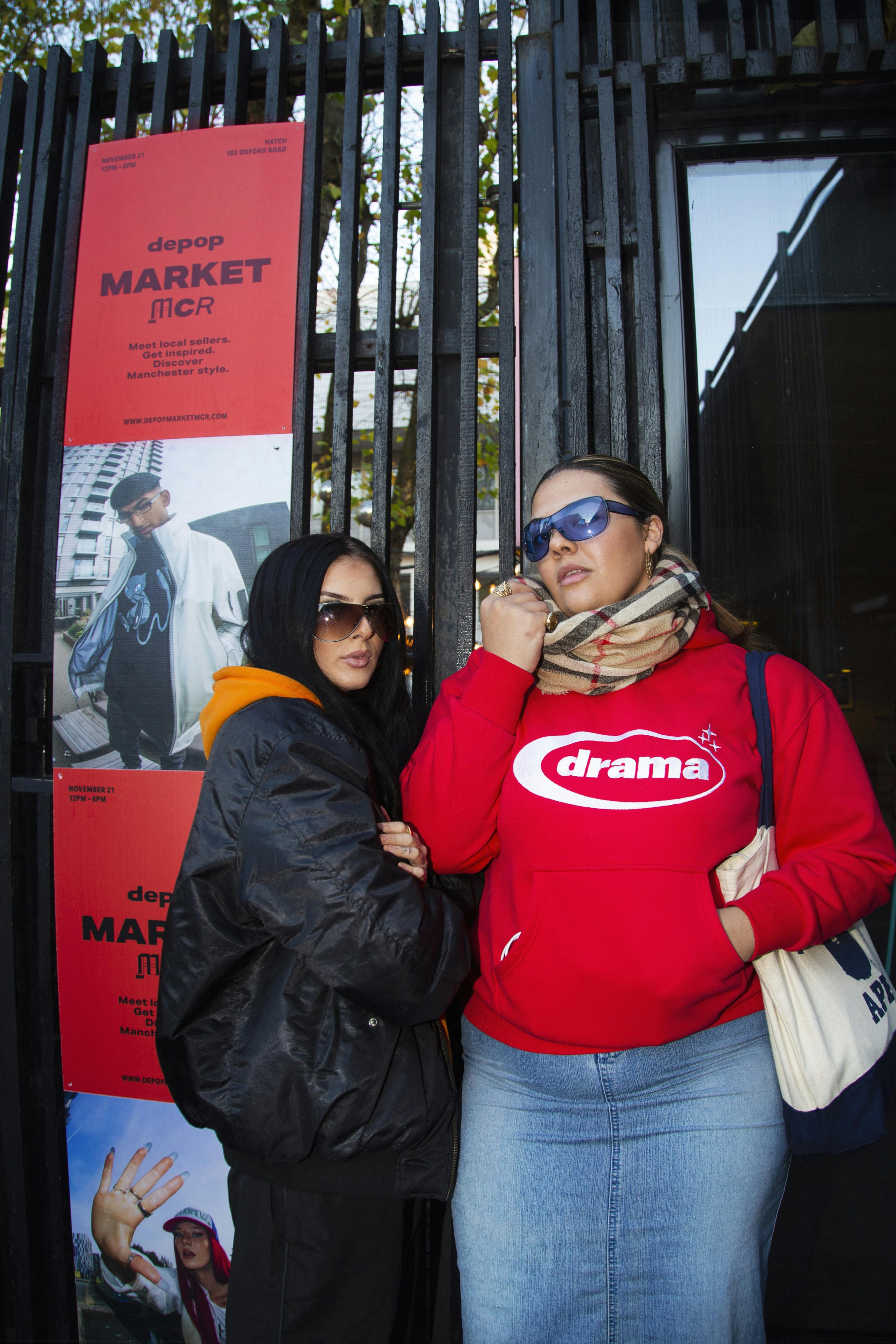
Depop Market MCR Event
Depop Campaign: 2022
The Rise of Belonging: Community as Currency
Remember when your Facebook or Instagram friends were your actual friends, people you’d met through education or work and “Influencing" was being left to the celebrities.
But influence existed in person, in local communities, before it migrated entirely online. Our early Deliveroo campaigns played into this reality. We worked with Scotty T from Geordie Shore, using cardboard cutout "filters" on student nights. This was amplified on social media through Scotty T encouraging signups and sharing a discount code on his Facebook page.
Online, digital platforms gave young people the ability to find like-minded peers beyond their immediate environment. Discord servers replaced third spaces. Reddit threads became support groups. YouTube became creator focused. You didn't need to be an actress or model to have influence.
When Covid hit, forcing campuses to close, we were working with Tinder on a full campus tour. Rather than abandoning the campaign, we pivoted entirely, using youth insight to uncover what students actually needed: support, skill-building, and mental health resources. TinderTuition was born documenting young people learning new skills through social media.
As the pandemic extended, we realised the power of brands to make tangible differences in the lives of young people who were affected. We launched the Pot Noodle Alternative Careers Fair, giving young people the opportunity to explore careers in "alternative" paths. This award-winning initiative supported over 1,500 students to receive paid internships.
We went from having friends to having followers. We are hyper-connected yet unsatisfied, seeking smaller circles and meaningful connections more than ever.
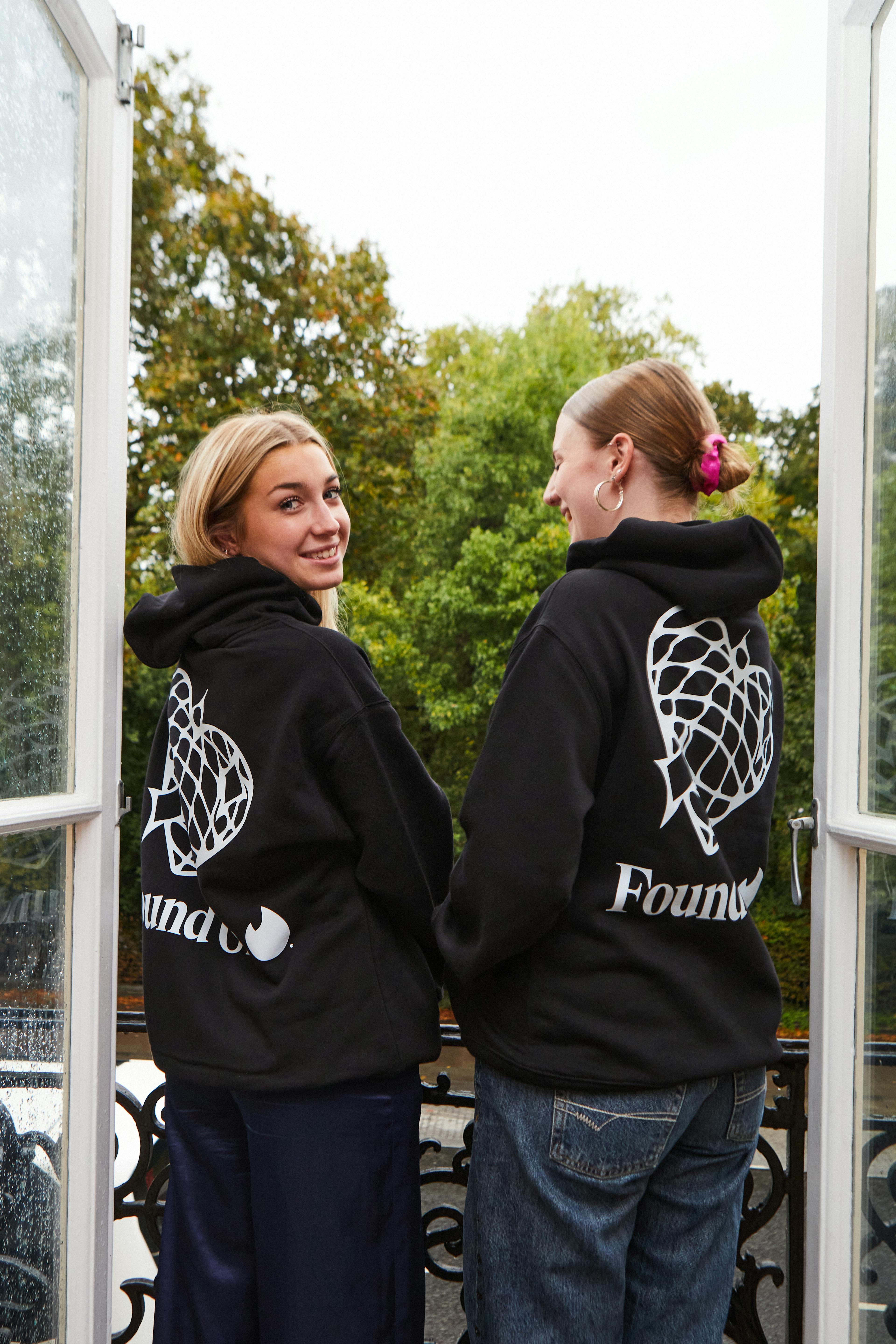
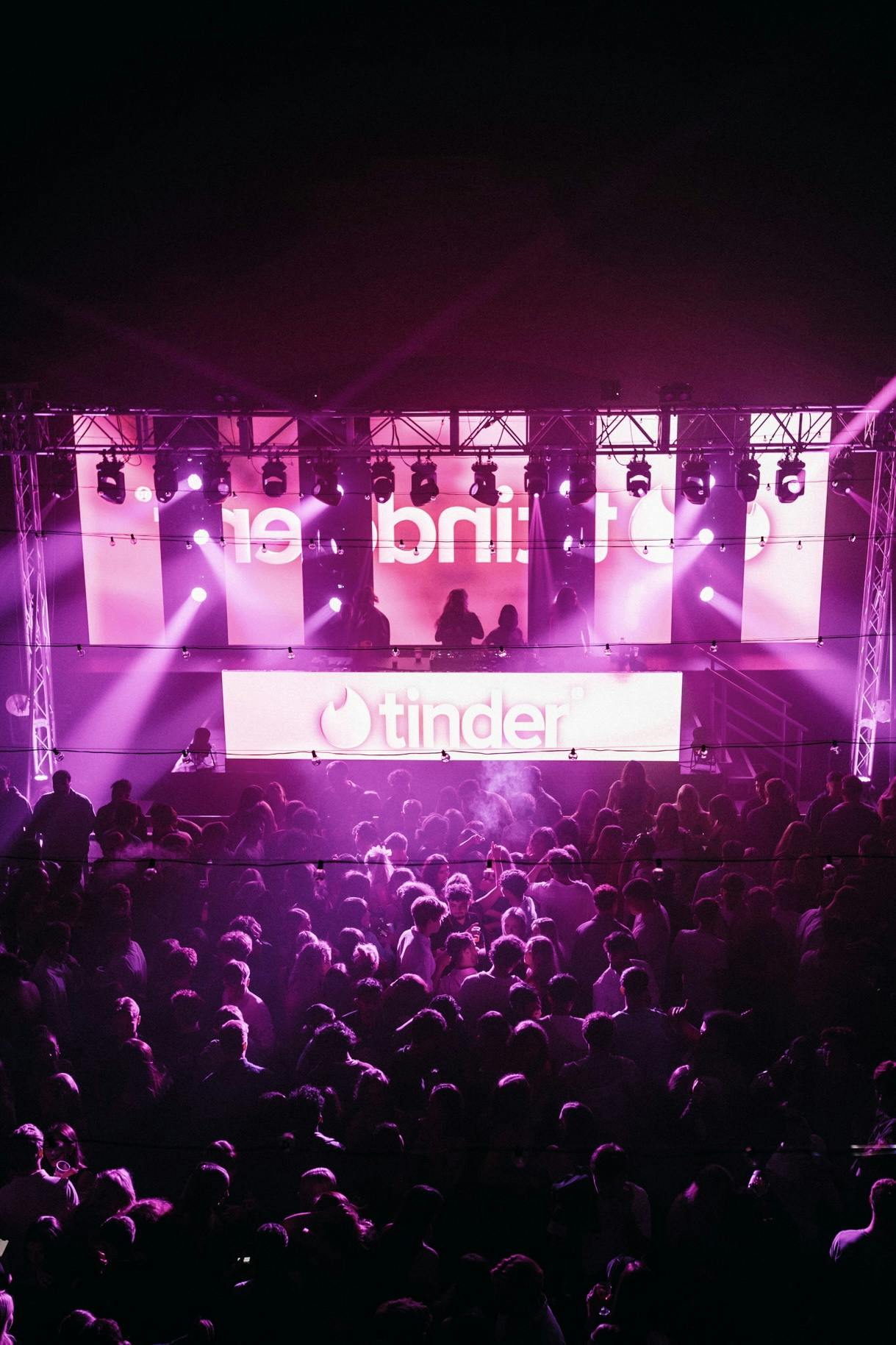
Tinder Training Day
Tinder Student Campaign: 2024
Social Media Gets Messy
In 2015, social media was popular but not yet the cultural engine it is today. Then TikTok arrived as it rose in popularity in 2019 it reshaped how Gen Z expresses themselves, how they discover culture, find community, and consume content. The algorithm replaced the follower count. TikTok Trends began to cycle in days rather than months. And millennials on Instagram had no chance of keeping up.
Covid accelerated this shift, digital dependency deepened, screen time skyrocketed, but so did the loneliness epidemic.
Following the pandemic, we launched a Student Brand Ambassador programme with Jägermeister, the Global Feierstarter programme, to connect young people to music culture in their cities. We recognised that digital fatigue was creating a hunger for IRL experiences, for tangible connection that felt real rather than performed for an Instagram story.
Today, social media is the primary space where Gen Z engages with brands, creators, and culture. But rising digital fatigue and doomscrolling have created a counter-shift: a growing desire for offline, immersive experiences. BeReal's short-lived popularity stood as a rebellion against perfected feeds. Gen Z wanted real, even if at times it’s messy.
Brands must create seamless experiences that honour both the digital-native nature of Gen Z and their hunger for tangible, IRL connection.
Covid accelerated this shift, digital dependency deepened, screen time skyrocketed, but so did the loneliness epidemic.
Following the pandemic, we launched a Student Brand Ambassador programme with Jägermeister, the Global Feierstarter programme, to connect young people to music culture in their cities. We recognised that digital fatigue was creating a hunger for IRL experiences, for tangible connection that felt real rather than performed for an Instagram story.
Today, social media is the primary space where Gen Z engages with brands, creators, and culture. But rising digital fatigue and doomscrolling have created a counter-shift: a growing desire for offline, immersive experiences. BeReal's short-lived popularity stood as a rebellion against perfected feeds. Gen Z wanted real, even if at times it’s messy.
Brands must create seamless experiences that honour both the digital-native nature of Gen Z and their hunger for tangible, IRL connection.
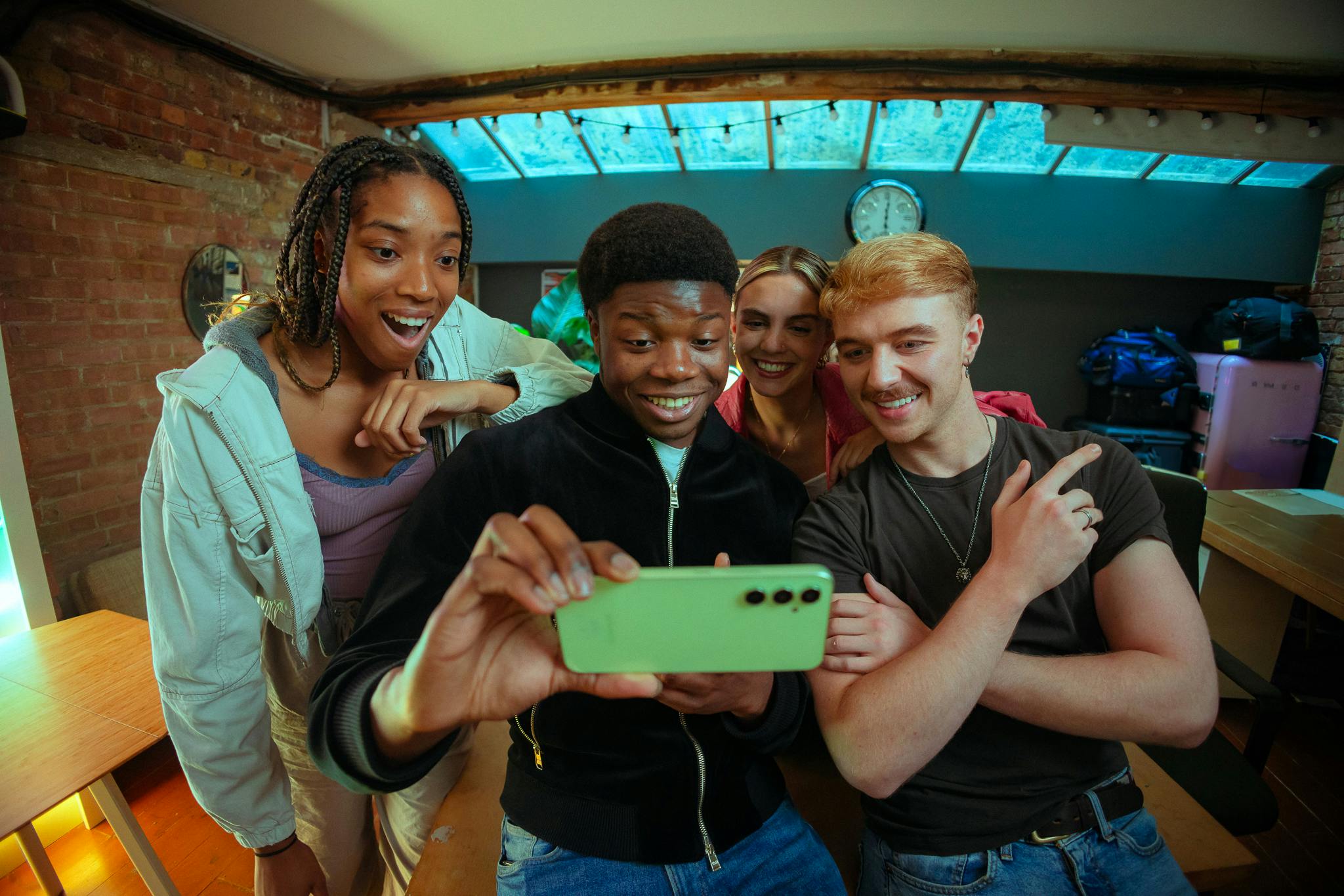
UNiDAYS X Samsung Shoot
UNiDAYS X Samsung Campaign: 2023
Looking Forward
Gen Z has prioritised wellbeing, moderation, and conscious consumption, driven by mental health awareness. Whilst sober curiosity is true for this generation, the generalisation that they have stopped drinking is a sweeping misconception, not supported by data.
Nightlife itself has also evolved. Something we’ve witnessed firsthand as in 2015 when Raptor launched, we were literally in nightclubs. Today, there’s a heightened interest in intimate, immersive events, blending social, cultural, and brand experiences in ways that feel meaningful rather than transactional. Overall Gen Z are not rejecting alcohol or nightlife but redefining it on their own terms, driven by experiences that feel intentional rather than excessive.
Nightlife itself has also evolved. Something we’ve witnessed firsthand as in 2015 when Raptor launched, we were literally in nightclubs. Today, there’s a heightened interest in intimate, immersive events, blending social, cultural, and brand experiences in ways that feel meaningful rather than transactional. Overall Gen Z are not rejecting alcohol or nightlife but redefining it on their own terms, driven by experiences that feel intentional rather than excessive.
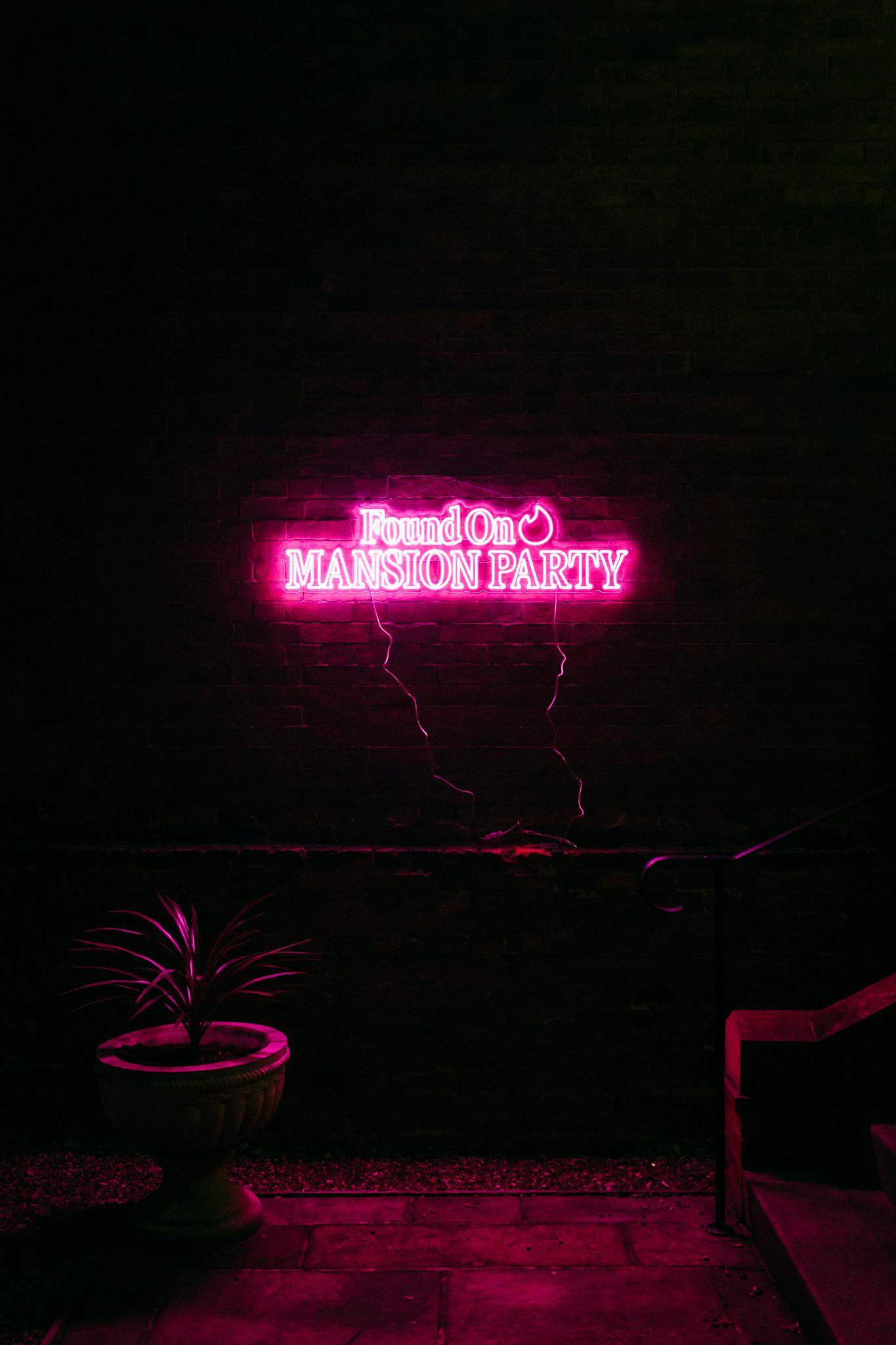

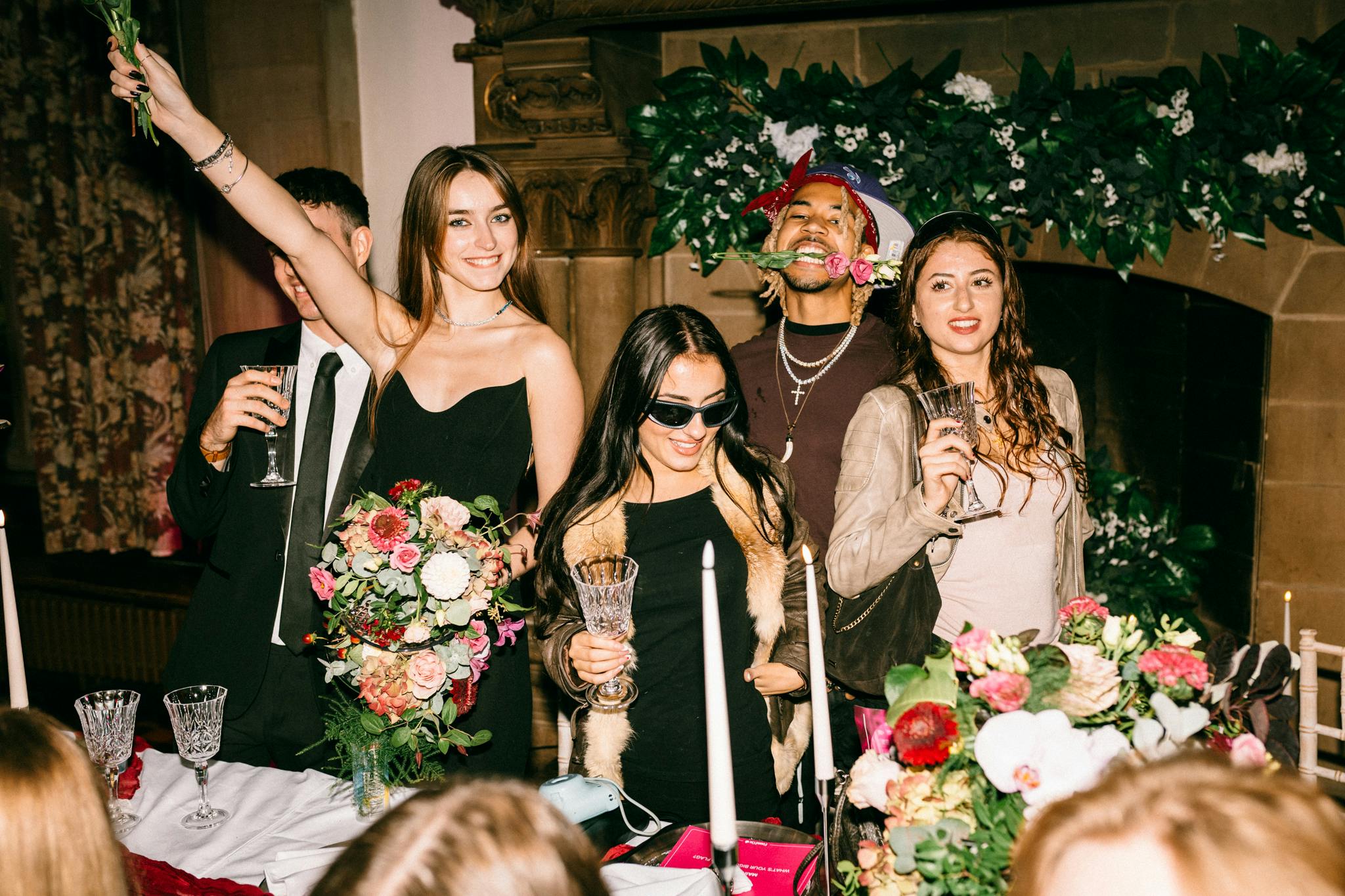
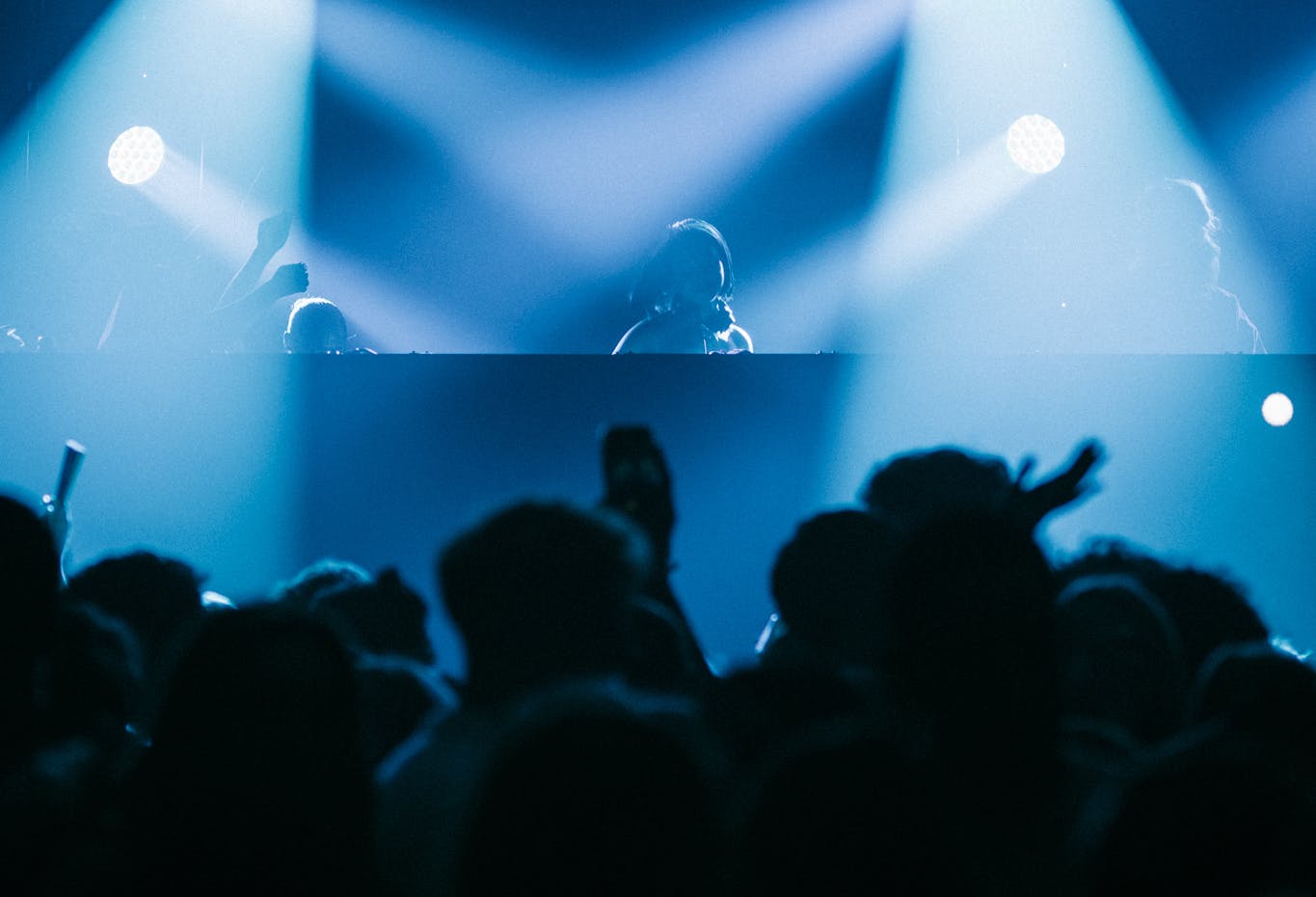
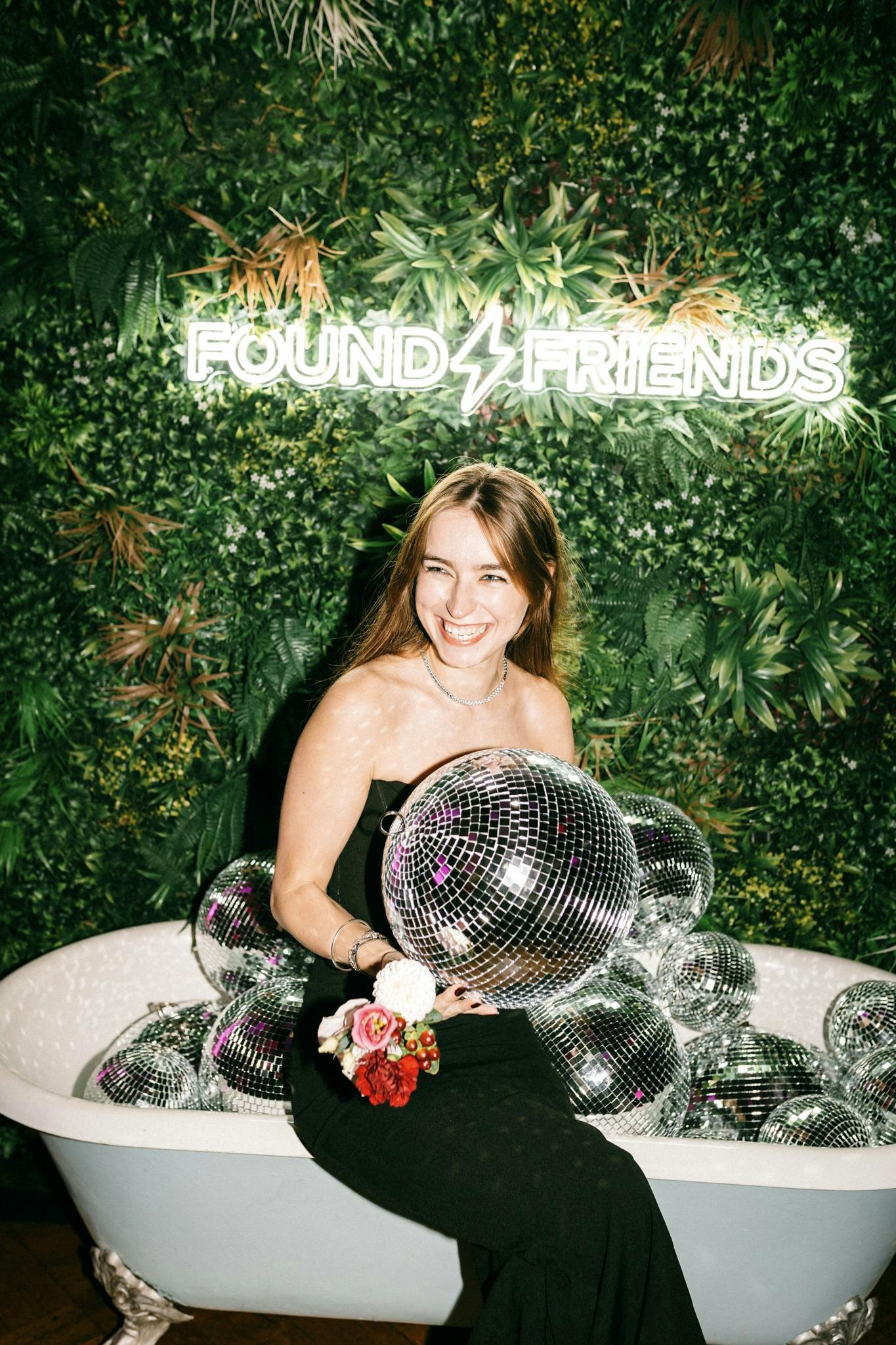
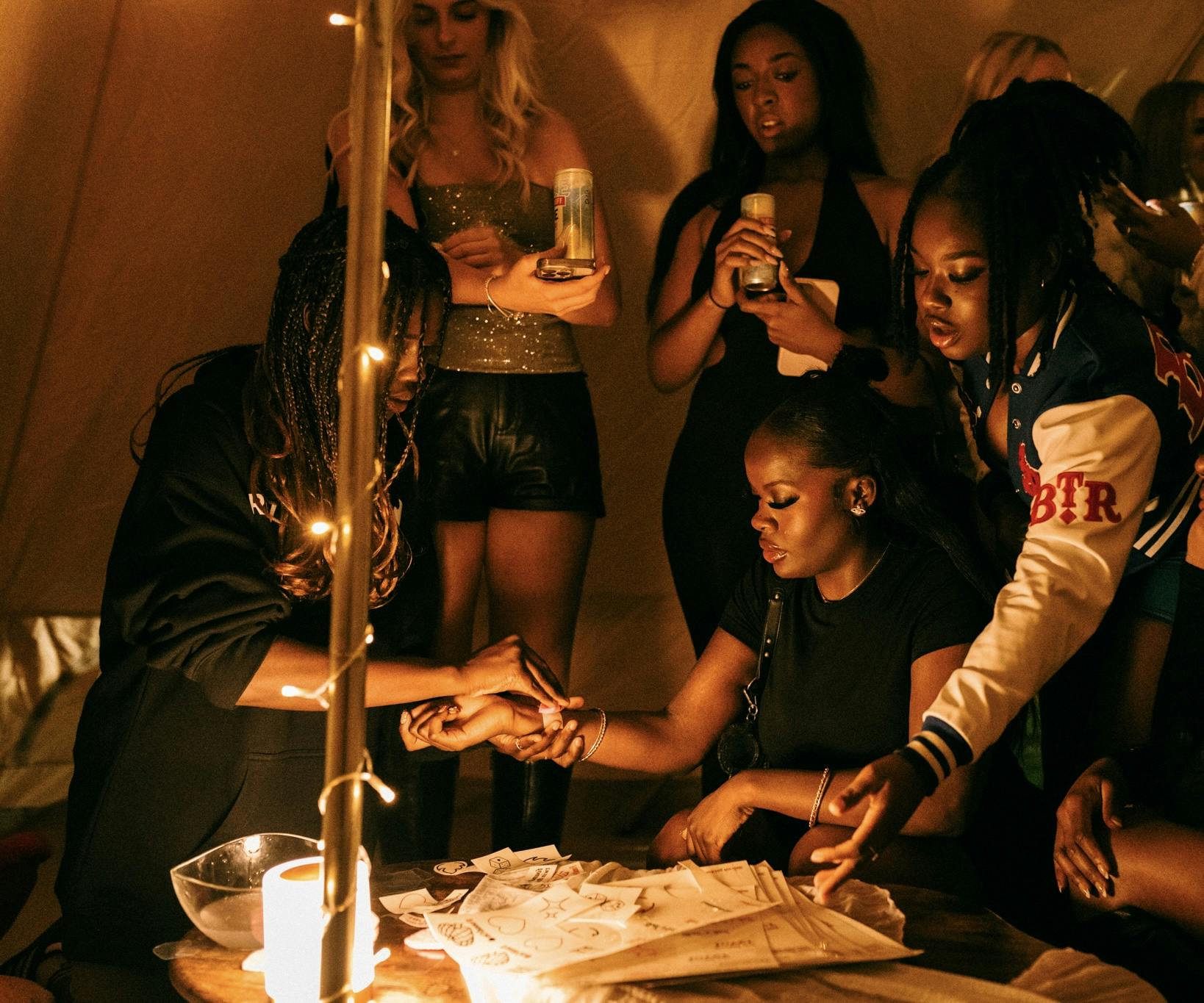
Young people seek identity, belonging, authenticity, understanding. Technology changes the delivery mechanism, but not the core need. AI-generated content flooding platforms, is giving Gen Z trust issues. Brands that prioritise human connection and transparent creation will win. What goes up must come down, more AI might drive more demand for analog.
As the great rebalancing between digital dependency and IRL hunger continues. Physical spaces that facilitate genuine connection become premium.
Over the next decade as platforms will rise and fall, community will continue to be central to youth culture. In an era of content oversaturation and curated social blueprints, finding spaces, online and offline, where they feel part of something meaningful is a priority for Gen Z. New technologies have the power to reshape how young people express themselves and find that sense of community. But one thing remains certain: brands that truly listen, genuinely contribute, and authentically connect will thrive. Those that treat Gen Z and the emerging Gen Alpha as a target demographic rather than a community will fade into irrelevance.
As the great rebalancing between digital dependency and IRL hunger continues. Physical spaces that facilitate genuine connection become premium.
Over the next decade as platforms will rise and fall, community will continue to be central to youth culture. In an era of content oversaturation and curated social blueprints, finding spaces, online and offline, where they feel part of something meaningful is a priority for Gen Z. New technologies have the power to reshape how young people express themselves and find that sense of community. But one thing remains certain: brands that truly listen, genuinely contribute, and authentically connect will thrive. Those that treat Gen Z and the emerging Gen Alpha as a target demographic rather than a community will fade into irrelevance.
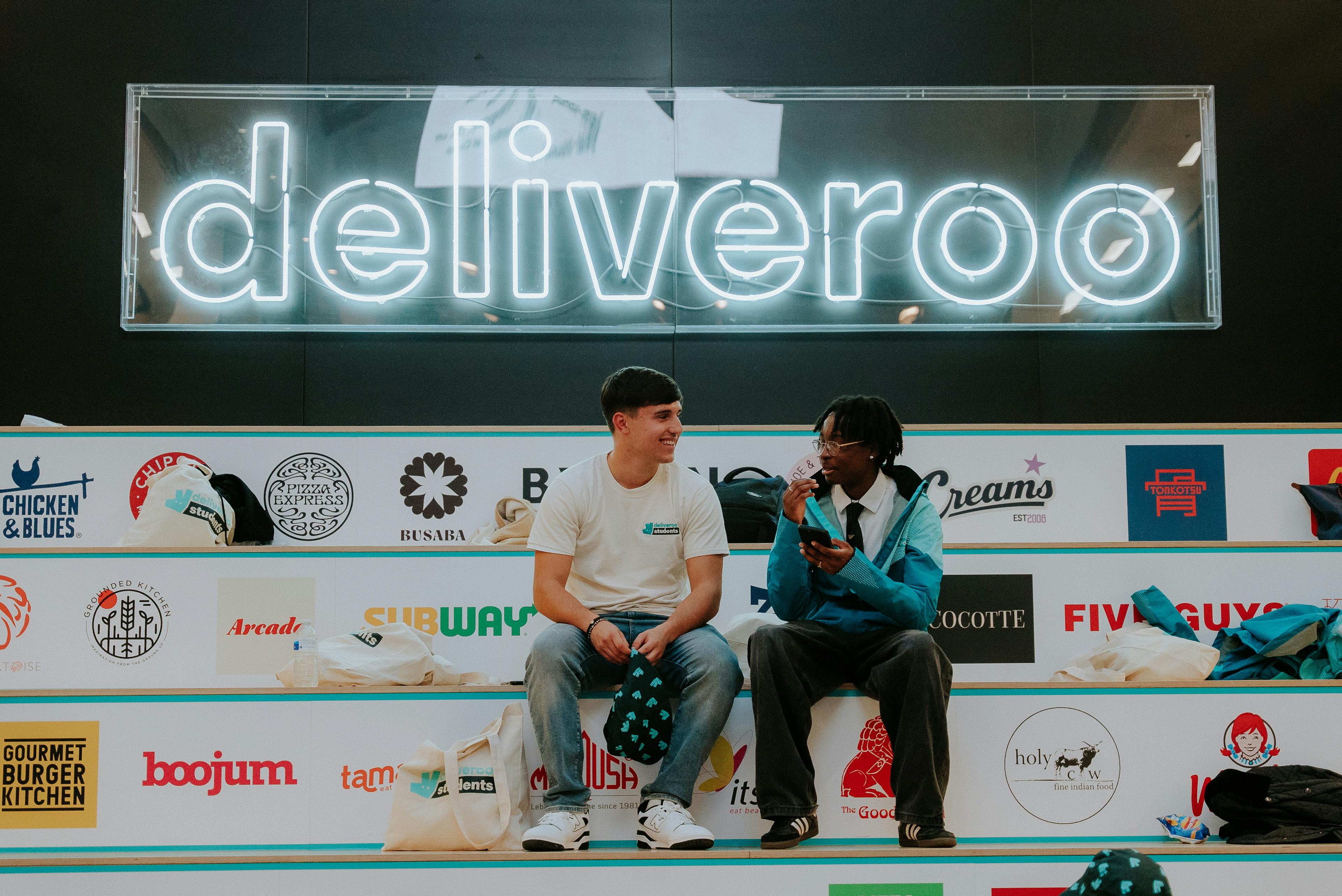
Deliveroo SBA Training Day
Deliveroo Students Campaign: 2024
As Raptor enters its second decade, we're not just reflecting. We're listening.